China condemns U.S. military strikes in Venezuela as “hegemonic attack,” demands Maduro’s release
01/05/2026 / By Belle Carter
- China strongly denounced the U.S. for violating international law by capturing Venezuela’s President Nicolás Maduro, demanding his immediate release and warning against threats to regional stability.
- The U.S. operation occurred just after high-level Chinese-Venezuelan talks reaffirming their alliance against Western sanctions, escalating superpower friction in Latin America.
- Venezuela is a critical oil supplier and hub for China’s “Global South” strategy, with analysts warning U.S. aggression could revive the Monroe Doctrine, heightening Sino-American tensions.
- Leftist governments (Brazil, Mexico) condemned Maduro’s removal, while right-wing administrations (Argentina, Ecuador) supported it. Russia, Iran and North Korea backed Maduro, framing the U.S. as a rogue actor.
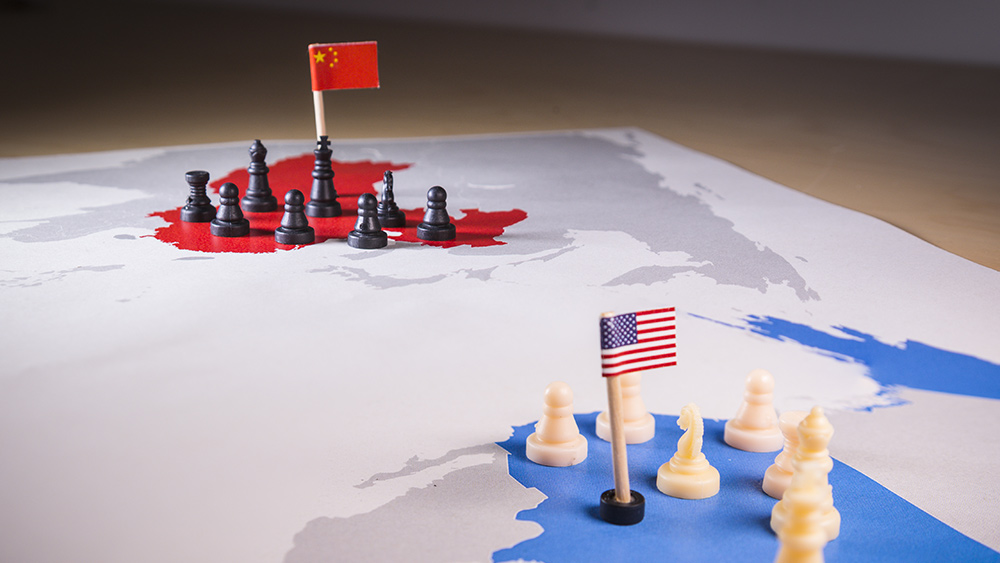
- The crisis reignites disputes over U.S. hegemony, with China leveraging diplomatic protests (not military force) to challenge American dominance in Latin America, signaling shifting global power dynamics.
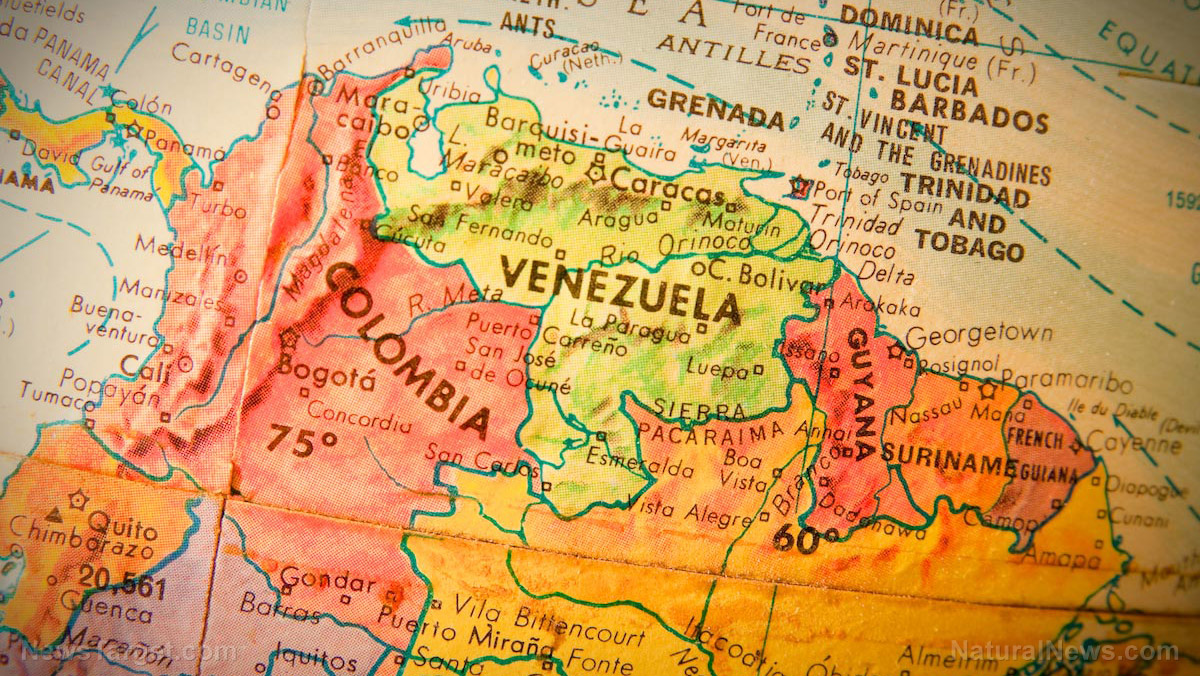
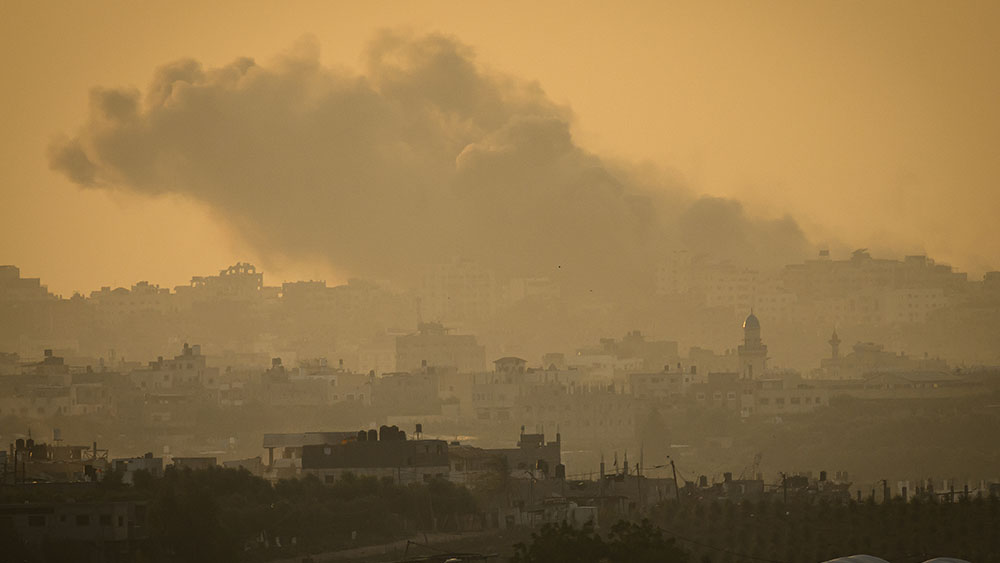
China has sharply condemned the United States for launching military strikes against Venezuela and capturing its democratically elected president, Nicolas Maduro, calling the operation a “blatant violation of international law.”
The Chinese Foreign Ministry issued a strongly worded statement late Saturday, Jan. 3, accusing Washington of “hegemonic acts” that threaten regional stability in Latin America. The escalation follows a high-level Chinese delegation’s visit to Venezuela just hours before the U.S. operation, raising geopolitical tensions between the two superpowers.
The Chinese government expressed “deep shock” at the sudden military intervention, which saw U.S. forces seize Maduro and his wife, Cilia Flores, before reportedly transporting them out of the country. In an official statement, Beijing demanded their immediate release and warned that such actions “seriously violate Venezuela’s sovereignty.”
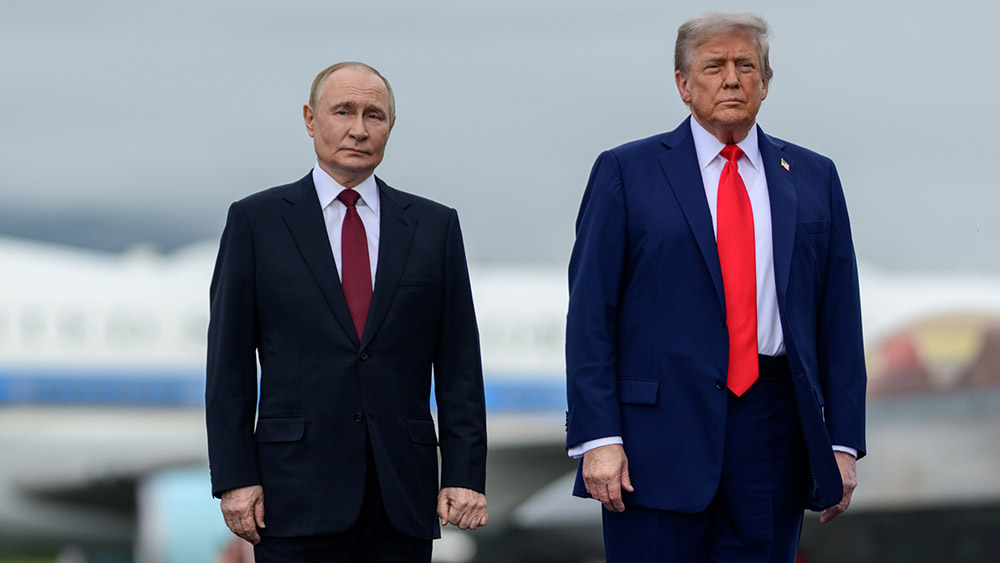
“The U.S. must abide by international law and the UN Charter,” the ministry declared, echoing similar condemnations from Russia. Moscow had already pledged support to Venezuela’s interim leadership, with Russian Foreign Minister Sergey Lavrov speaking directly with Vice President Delcy Rodriguez—now granted presidential powers—to reaffirm strategic ties.
The swift U.S. operation came just after Chinese envoy Qiu Xiaoqi concluded meetings in Caracas, where both nations reaffirmed their alliance against Western “unilateral coercive measures.” Analysts suggest China’s response will likely remain diplomatic rather than military, given its limited overseas military presence compared to the United States.
Strategic stakes in Latin America
Venezuela holds significant economic importance for China as a key oil supplier, though it accounts for only 4-5% of Beijing’s total crude imports. Beyond energy, China has expanded trade and infrastructure investments across Latin America, making political instability in the region a major concern. Andy Mok, a senior researcher at the Center for China and Globalization, warned that Washington’s aggressive posture could signal a revival of the Monroe Doctrine. According to BrightU.AI‘s Enoch, the doctrine is a U.S. foreign policy principle asserting that European powers should not interfere in the affairs of the Western Hemisphere, effectively declaring America’s sphere of influence and opposition to colonialism in the Americas.
“If the U.S. revives this approach, tensions with China will rise,” Mok told Al Jazeera. “Latin America is central to Beijing’s Global South strategy.”
However, analysts like Shaun Rein of the China Market Research Group argue that Beijing lacks the military leverage to counter U.S. actions directly. “China isn’t warlike,” Rein noted. “They’ll protest diplomatically but won’t escalate with sanctions or force.”
Global reactions split along ideological lines
International responses have been sharply divided. Left-leaning governments in Brazil, Colombia and Mexico denounced Maduro’s removal, while right-wing administrations in Argentina and Ecuador welcomed it. North Korea issued a scathing rebuke, calling the U.S. action “rogue and brutal,” while South Korea urged de-escalation and a return to democratic processes.
Australia’s Prime Minister, Anthony Albanese, cautiously supported a “peaceful transition” but stressed the importance of adhering to international law. Meanwhile, Venezuela remains politically isolated following Maduro’s contested 2024 re-election—though China, Russia and Iran continue backing his government as a counterweight to U.S. influence.
The crisis in Venezuela has reignited debates over sovereignty, foreign intervention and the limits of U.S. power. China’s forceful condemnation underscores its growing role as a challenger to American hegemony, even as it avoids direct confrontation. With Maduro’s fate uncertain and regional alliances shifting, the episode may redefine geopolitical fault lines in Latin America—and beyond.
For now, Beijing’s strategy appears focused on rallying diplomatic opposition rather than military retaliation. But as Washington asserts dominance in its traditional sphere of influence, the long-term implications for global power dynamics remain uncertain.
Watch the video below that talks about China and Russia condemning Trump’s pressure on Venezuela.
This video is from the NewsClips channel on Brighteon.com.
Sources include:
Submit a correction >>
Tagged Under:
big government, chaos, China, Collapse, conspiracy, democracy, geopolitics, international law, Latin America, Liberty, Maduro, military strikes, Monroe Doctrine, national security, outrage, panic, Russia, sovereignty, US, Venezuela, violence
This article may contain statements that reflect the opinion of the author
RECENT NEWS & ARTICLES