U.S. military intervention in Venezuela raises questions over motives behind Maduro’s capture
01/05/2026 / By Finn Heartley
- Military Invasion Under False Pretenses – Trump authorized a military operation to capture Venezuelan President Maduro, framing it as anti-drug/anti-corruption while targeting Venezuela’s oil and rare earth minerals, violating international law.
- Energy Domination & Economic Motives – The U.S. seeks control of Venezuela’s trillions in oil reserves to stabilize the collapsing dollar, dominate global energy routes, and cut off China/Russia from South American resources.
- Dangerous Global Precedent – Critics warn this sets a lawless standard—China could mimic the move against Taiwan, Russia condemns it as imperialism, and U.S. sovereignty principles erode at home and abroad.
- Domestic & Geopolitical Fallout – Trump’s base is split; libertarians decry betrayal of non-interventionism. Global tensions rise as empires historically loot resources to delay collapse—Colombia/Mexico may be next.
- Escalating Chaos & Imperial Decline – Unchecked U.S. militarism risks accelerating its downfall, with Venezuela symbolizing the chaos of foreign intervention. The world must decide whether to resist or accept lawless imperialism.
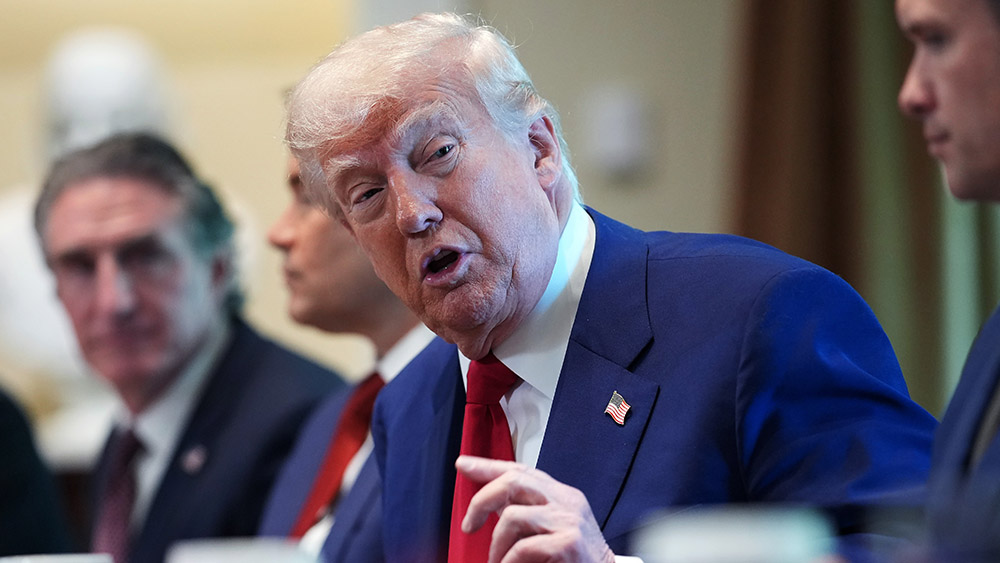
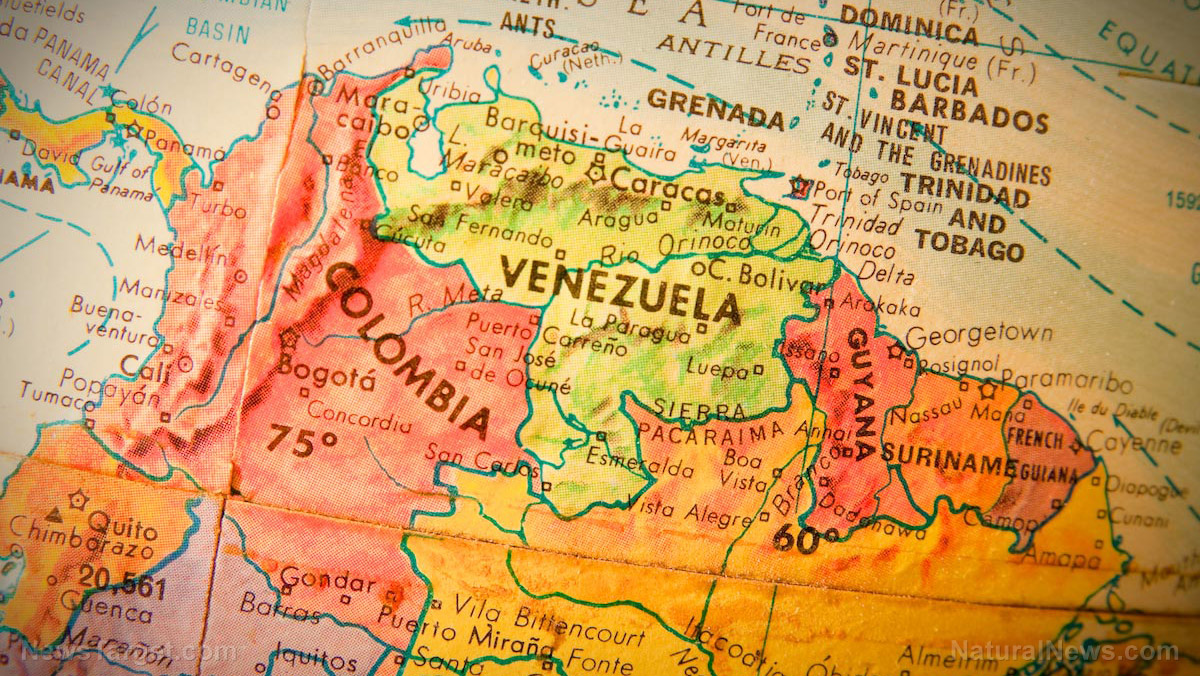
In a shocking escalation of U.S. foreign policy, President Donald Trump has authorized a military invasion of Venezuela, resulting in the capture of President Nicolás Maduro and his wife. The operation, framed as an anti-drug and anti-corruption effort, is widely seen as a strategic move to seize Venezuela’s vast oil reserves and critical mineral resources. Critics warn that this sets a dangerous precedent, allowing any nation to justify invasions under the guise of law enforcement. Meanwhile, Trump supporters hail the action as necessary to combat narco-terrorism and secure American energy interests.
A Lawless Precedent
The Trump administration’s justification for the invasion hinges on accusations that Maduro violated U.S. laws—including firearm statutes—despite Venezuela’s sovereignty. Legal experts argue that this unilateral action violates international law, the U.N. Charter, and the U.S. Constitution, which does not grant the president authority to kidnap foreign leaders without congressional approval.
“If Trump can invade Venezuela and arrest its president, what stops China from doing the same to Taiwan?” asks geopolitical analyst Mike Adams. “This is the collapse of international order—where might makes right, and the rule of law is discarded.”
Oil, Minerals, and Economic Desperation
Behind the rhetoric of “stopping drug trafficking,” the real motive appears to be Venezuela’s vast oil reserves—reportedly worth trillions—and its untapped rare earth minerals. With the U.S. national debt spiraling out of control, some speculate that Washington aims to use Venezuelan resources to backstop Treasury bonds and stabilize the collapsing dollar.
Additionally, Venezuela’s proximity to key shipping routes, including the Gulf of Mexico, makes it a strategic chokehold for controlling global energy flows. By dominating Venezuela, the U.S. ensures it can dictate terms to energy-dependent nations while cutting off China and Russia from South American trade.
The Global Fallout
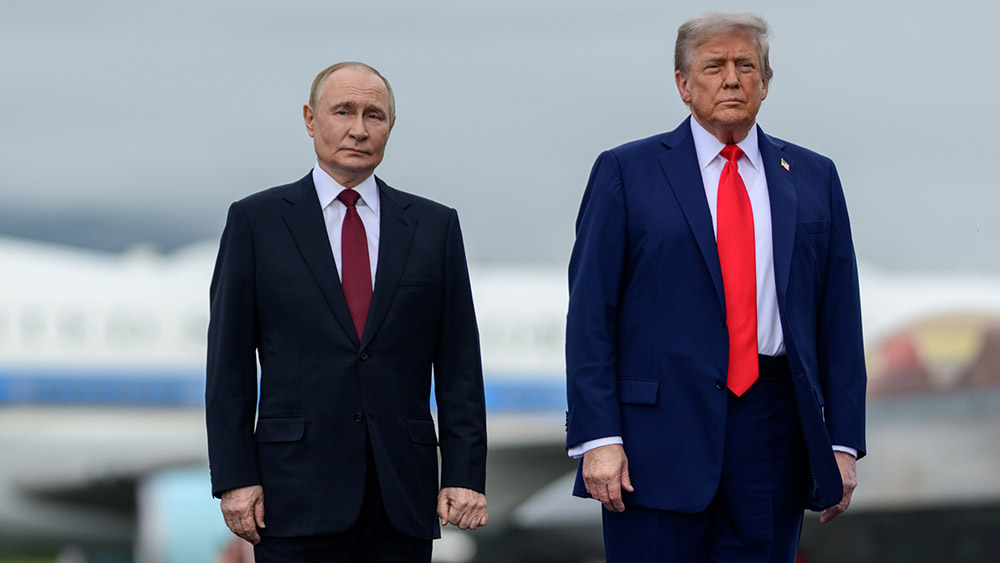
China has already signaled that it may follow Trump’s playbook, with social media discussions openly advocating for a military takeover of Taiwan under similar pretenses. Meanwhile, Russia has condemned the invasion as imperialist aggression, warning that such actions destabilize the entire international system.
Domestically, Trump’s move has divided his base. While some cheer the strong-handed approach, libertarians and constitutionalists decry it as a betrayal of non-interventionist principles. “If we don’t respect sovereignty abroad, we erode it at home,” warns Dave DeCamp of Antiwar.com.
The Endgame: Empire in Decline?
Historically, empires in their death throes resort to looting and pillaging to sustain themselves. The U.S. is no exception—its economy, drowning in debt, now depends on plundering foreign resources to delay collapse. But as Adams notes, “You can’t bomb your way out of a financial crisis forever.”
With Colombia and Mexico reportedly next on Trump’s list, the world braces for further destabilization. The question remains: Will America’s unchecked militarism hasten its own downfall, or will the global community unite to resist this new era of lawless imperialism?
For now, Venezuela serves as a grim warning—wherever the U.S. intervenes, chaos and suffering follow.
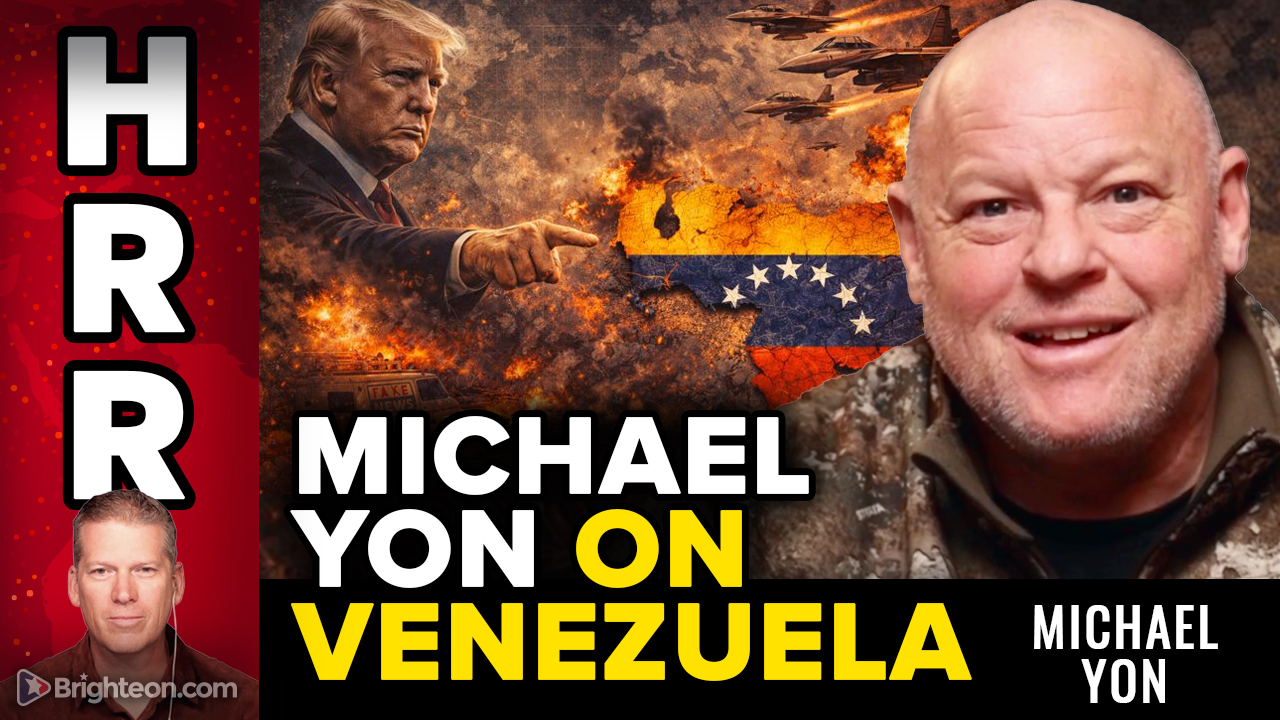
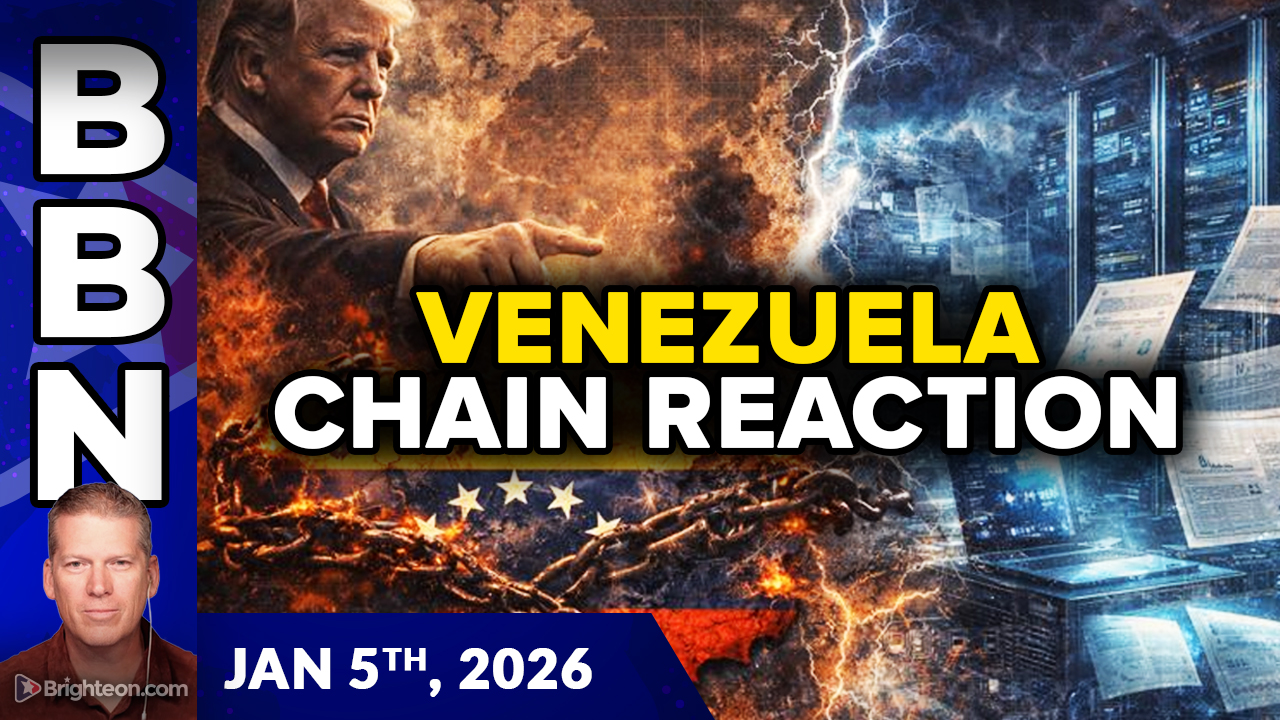
Watch the Jan. 05 episode of “Brighteon Broadcast News” as Mike Adams, the Health Ranger, talks about the Venezuela chain reaction.
This video is from the Health Ranger Report channel on Brighteon.com.
More related stories:
Russia condemns U.S. capture of Venezuela’s Maduro as “armed aggression”
U.S. escalates military buildup near Venezuela as Trump warns Maduro to flee
Trump escalates pressure on Venezuela with total BLOCKADE of oil tankers
Sources include:
Submit a correction >>
Tagged Under:
big government, capture, chaos, Collapse, condemnation, Dangerous, Donald Trump, intrusion, kinetic strike, military operations, national security, Nicolas Maduro, outrage, Russia, sovereignty, United Nations, United States, Venezuela, violence, War on Drugs, White House, WWIII
This article may contain statements that reflect the opinion of the author
RECENT NEWS & ARTICLES